Equip Your Kitchen for Success: What Really Matters
Equip Your Kitchen for Success: What Really Matters

A busy service doesn’t give you time to work around your equipment.
When everything is set up properly, the kitchen flows. Orders move at the right pace, teams stay focused, and consistency holds. When it isn’t, even simple tasks take longer than they should, and pressure builds quickly.
That difference usually comes down to decisions made early on.
At Entegra, we work with operators to understand how kitchens perform during service. Not just what’s been installed, but how it holds up when the pace picks up.
Fit your equipment to the way you operate
Planning a kitchen around ambition is common. Planning it around reality tends to work better.
The pace of service, the layout of the space, and how the team moves during a shift all shape what’s needed. A high-volume site depends on steady output. A more focused concept relies on control and consistency across a smaller menu.
Grounding decisions in a few practical areas helps avoid friction later:
What your menu demands in terms of prep and cooking
How much space you’re working with
What peak service looks like
When those are aligned, equipment supports the flow of the kitchen rather than interrupting it. Teams spend less time adjusting and more time delivering.
There is also a baseline that can’t be ignored. Equipment must meet current regulations to keep your operation running without interruption.
Why cheaper often costs more over time
Upfront cost is easy to measure. Ongoing impact is where things tend to shift.
Equipment that can’t handle consistent use rarely fails straight away. It slows service first. That’s where delays start, followed by inconsistency and added strain on the team.
Build quality plays a direct role here. Reliable equipment produces the same result every time, which allows teams to work with confidence. That consistency carries through to the customer experience.
Energy use has also become a bigger factor in day-to-day decisions. Running costs are harder to absorb, especially across multiple locations. More efficient equipment can help control spend while supporting sustainability expectations.
Operators who take this wider view tend to stay in control of both cost and performance.
Small gaps that slow everything down
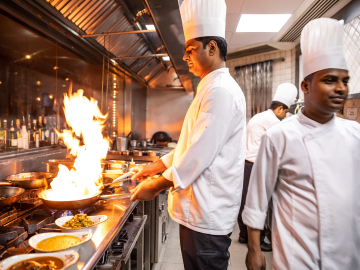
Most kitchens are built around the same core functions. Cooking, storage, preparation, cleaning. The detail is where things either hold together or start to slip.
Common pressure points tend to look like this:
A fryer that struggles during peak periods
Refrigeration that doesn’t match stock levels
Prep areas that create unnecessary delays
Each one on its own feels manageable. Together, they affect the pace of service and the consistency of output.
When equipment is properly matched to volume and workflow, those issues start to disappear. The kitchen feels more controlled, even under pressure.
As your business changes, so should your setup
No kitchen stays static. Menus evolve, demand shifts, and expectations change.
What worked six months ago might not be the best fit now.
Reviewing your equipment regularly helps keep things aligned. Sometimes that means improving efficiency. Sometimes it’s about reducing the cost or making service easier for the team.
At Entegra, we support that process by helping operators compare suppliers, assess current setups, and make informed decisions based on real operational insight.
The focus stays on what works in practice, not just in paper.
Building a kitchen that supports growth
When the setup is right, the benefits show up quickly.
Service runes more smoothly. Teams work with fewer interruptions. Standards stay consistent even as demand increases.
That kind of foundation gives you room to grow without constant adjustments or quick fixes.
If you’re reviewing your current kitchen or planning something new, its worth taking a closer look at how your equipment is really performing. Entegra can help you identify what’s working, what needs attention, and where you can improve.